Search: +meta:BP513
|
|
| Displaying 51-54 of 54 results found.
|
( prev ) page 1 2 3 4 5 6
|
|
|
Sort:
id
Format:
long
Filter:
(all | no meta | meta)
Mode:
(words | no words)
|
|
|
|
|
|
| |
|
| BP1264 |
| Any shape's axis of reflection is shared by another shape vs. not so. |
|
| |
|
| |
| |
|
|
| |
|
| BP1271 |
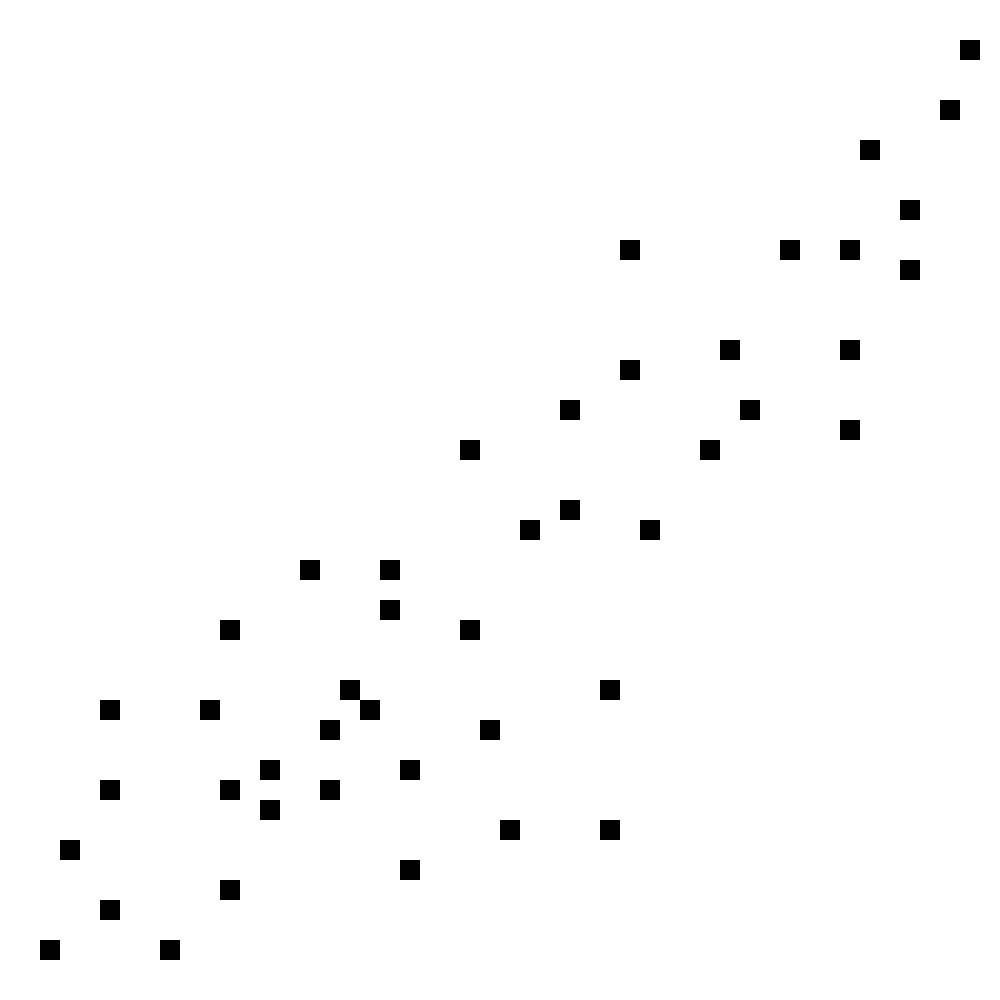
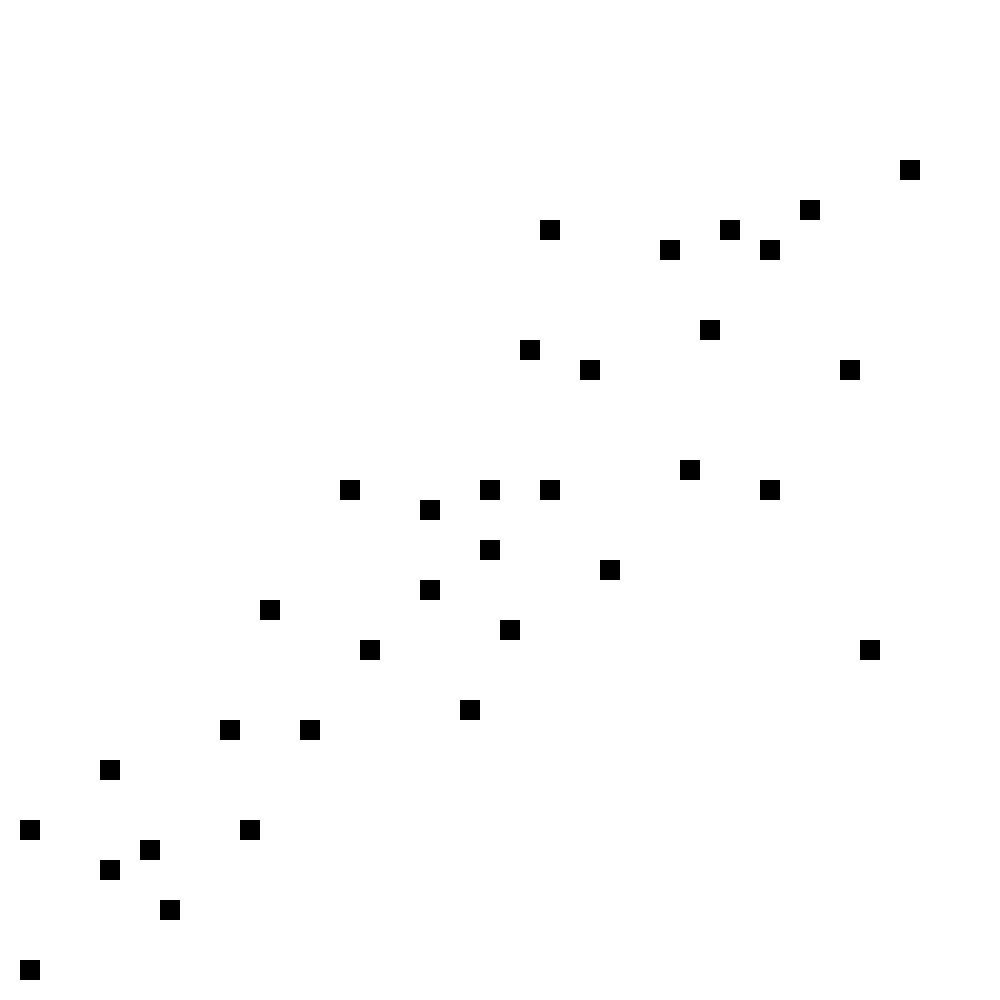
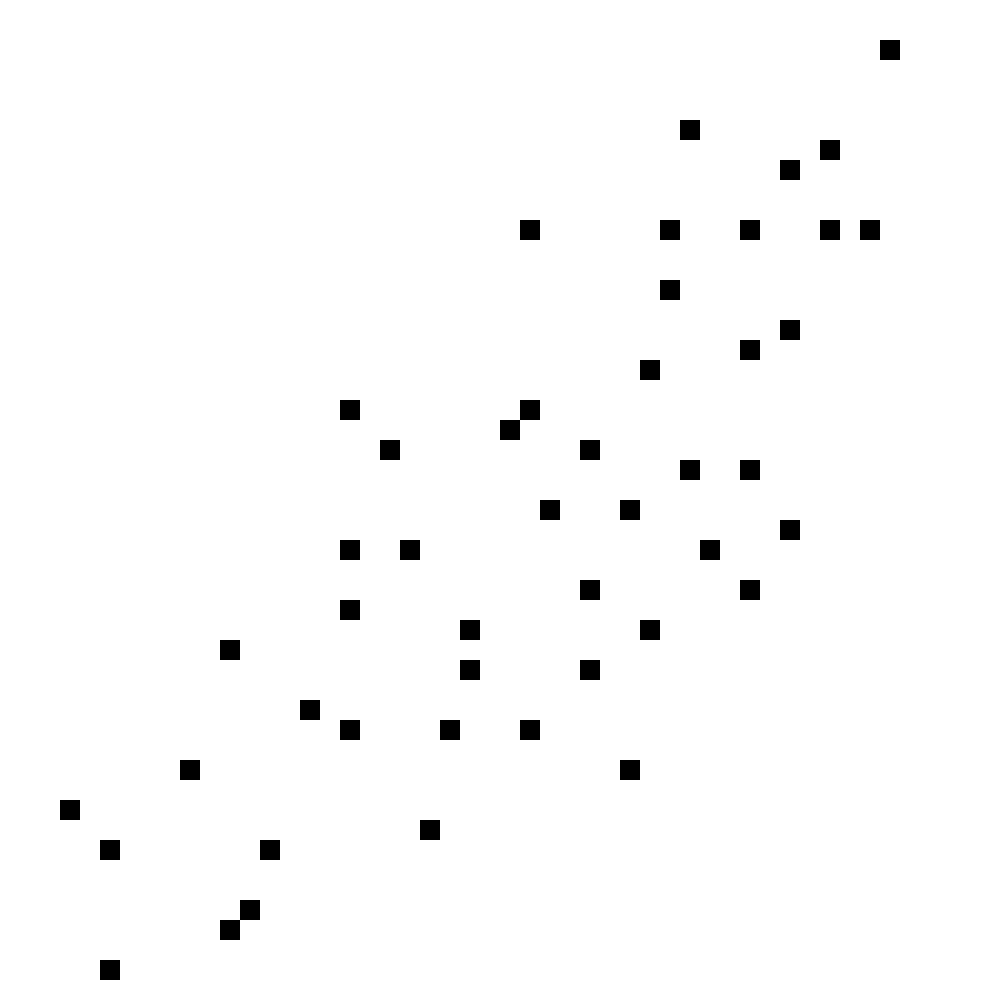
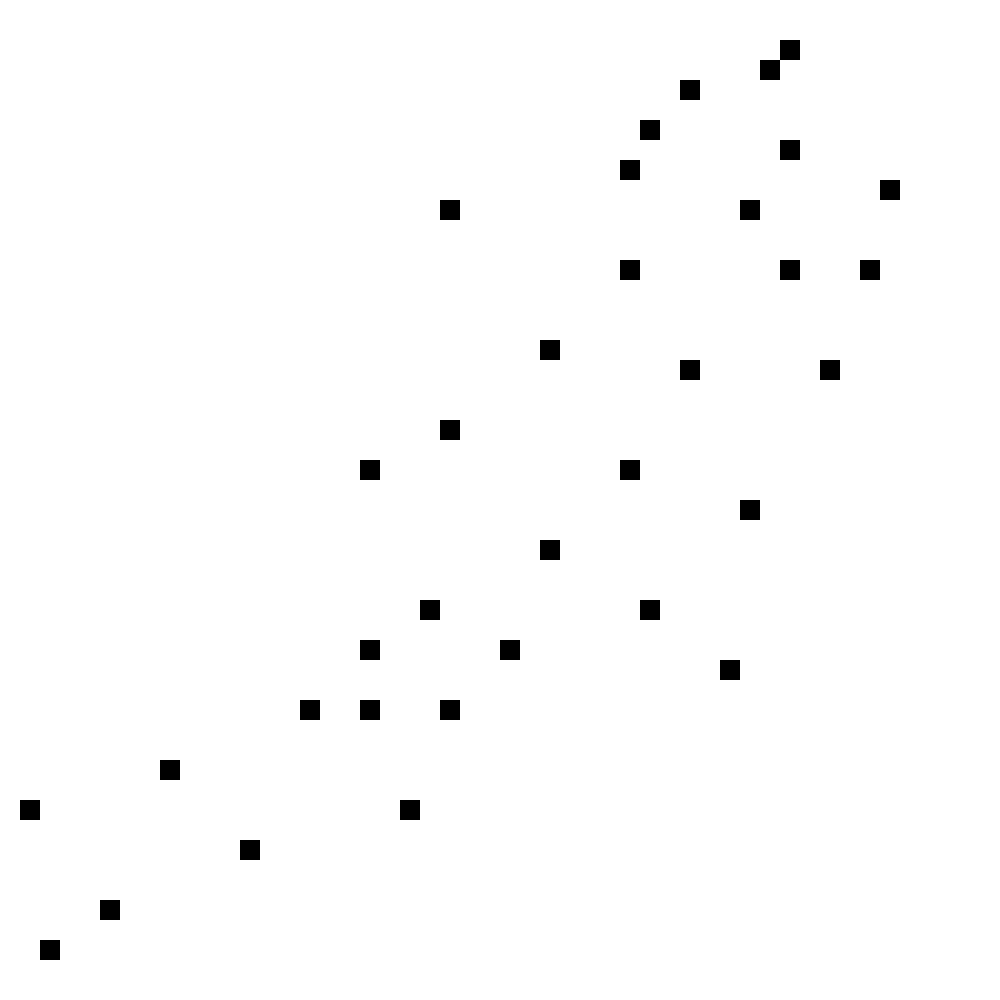
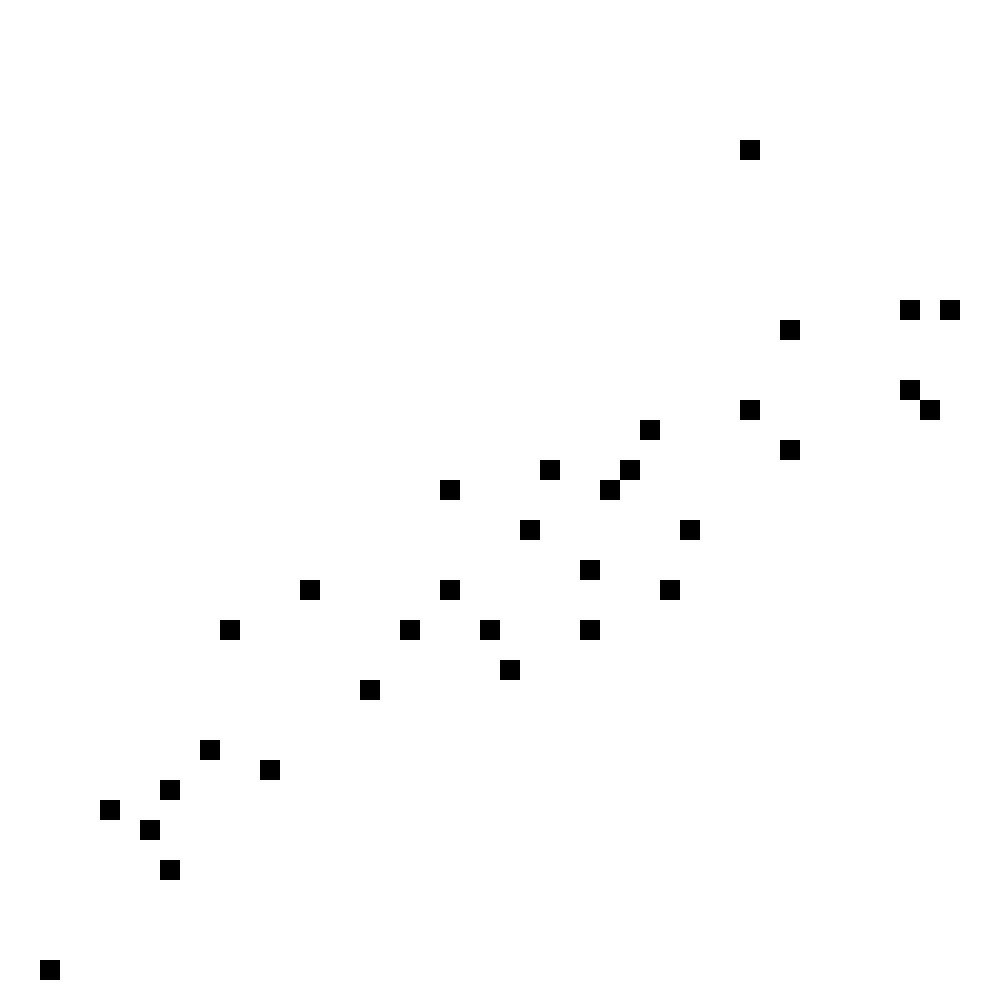
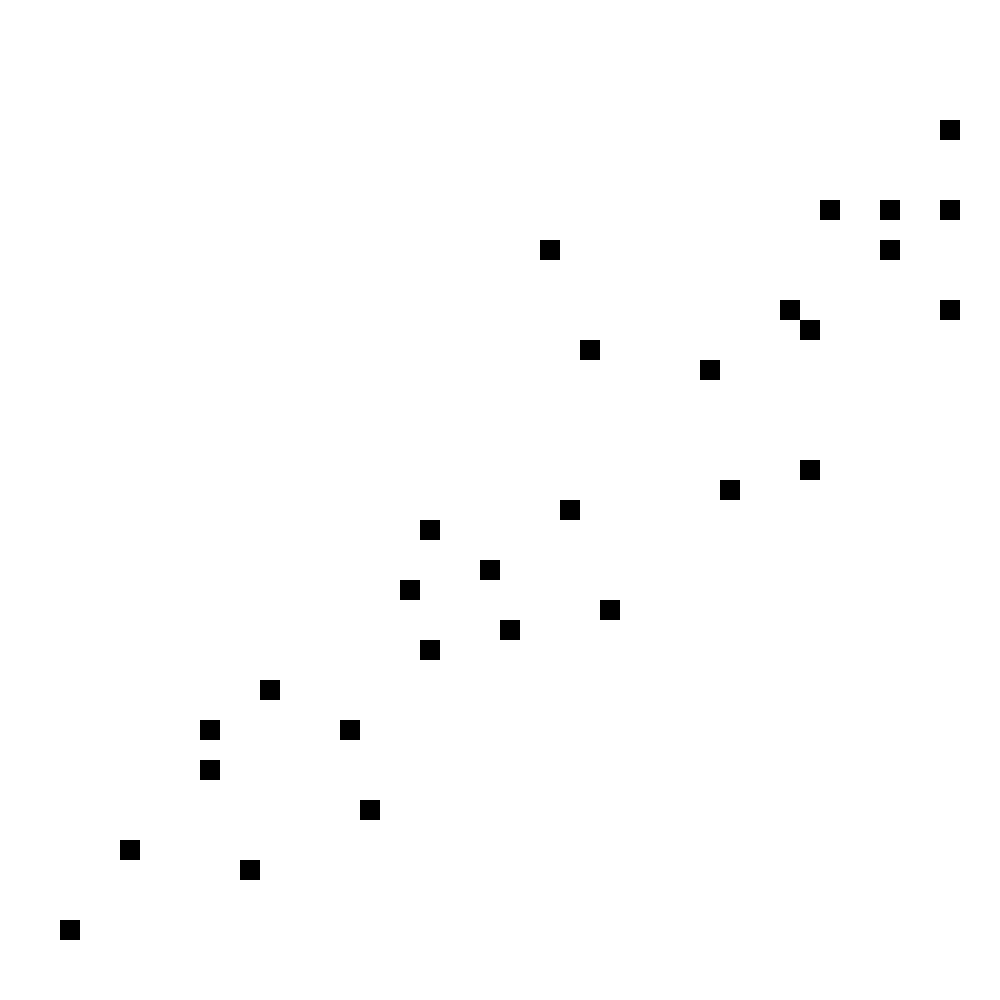
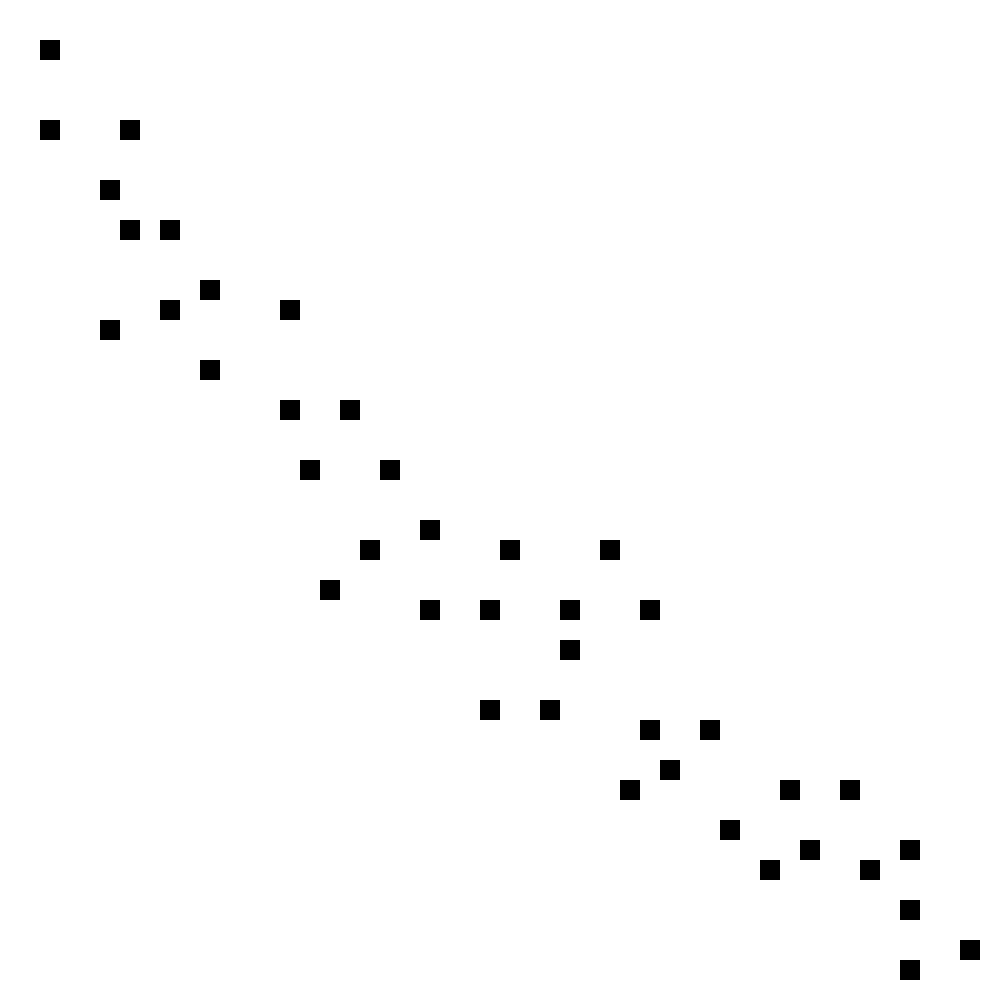
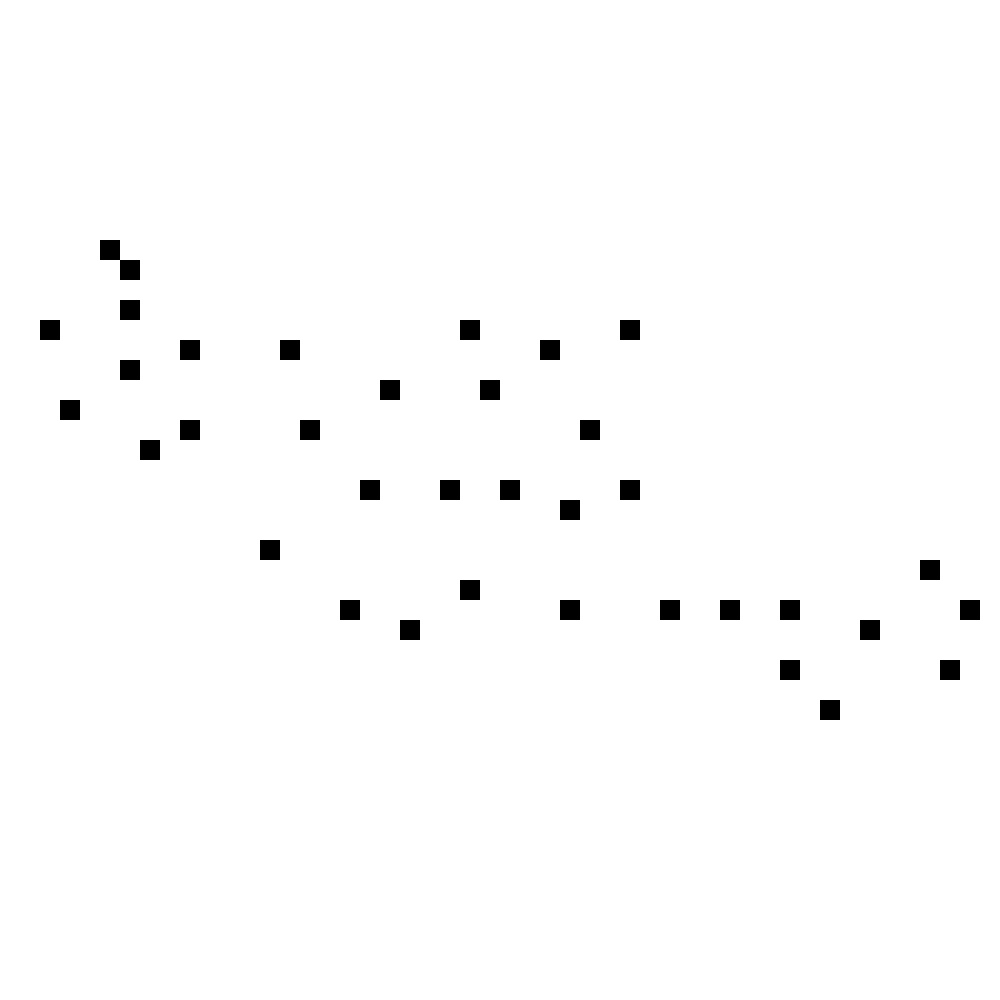
| Positive correlation vs. negative correlation. |
|
| ?
 | ?
 |
|
|
|
|
|
COMMENTS
|
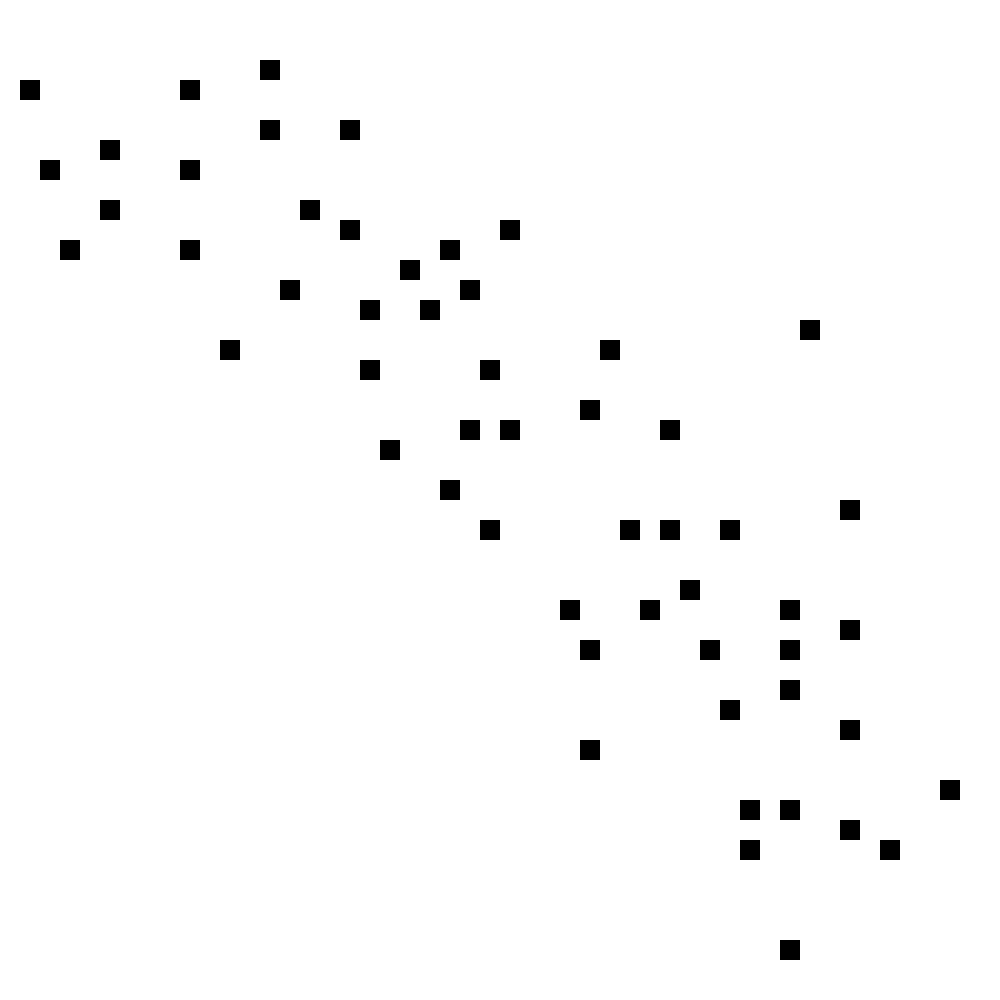
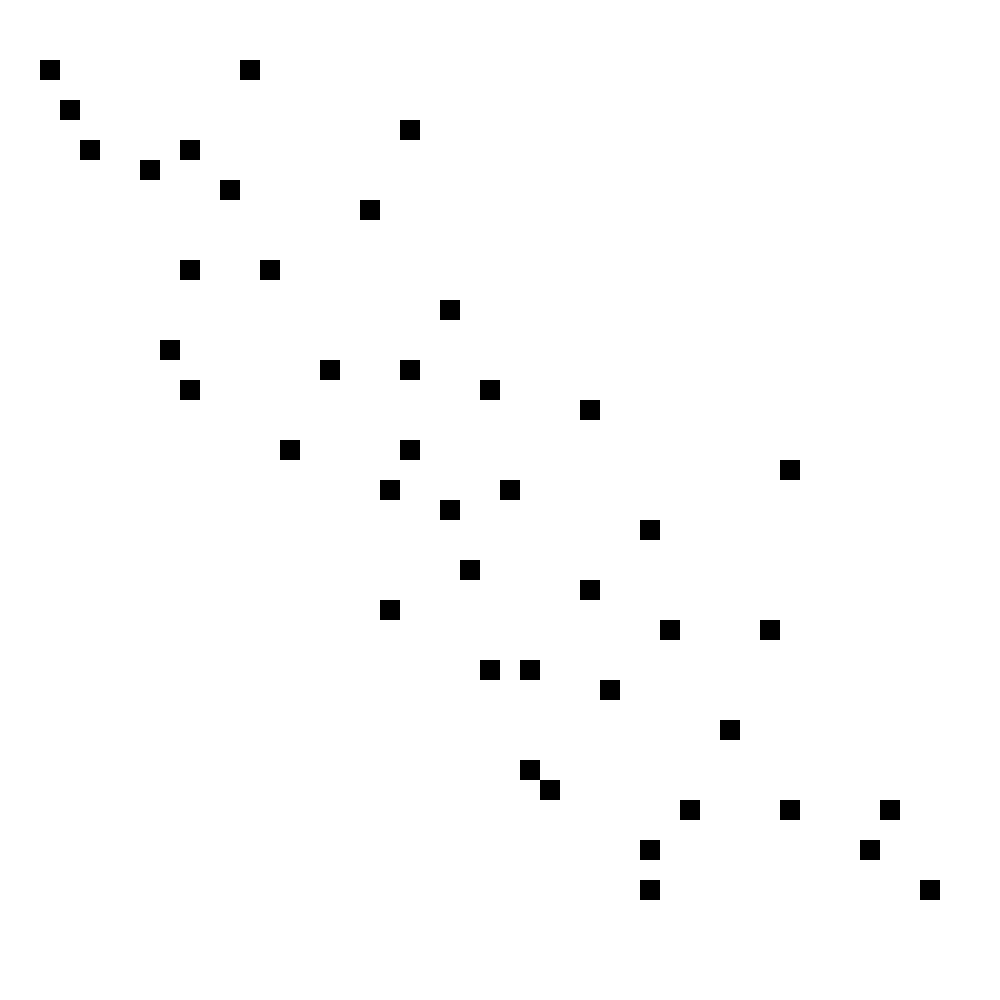
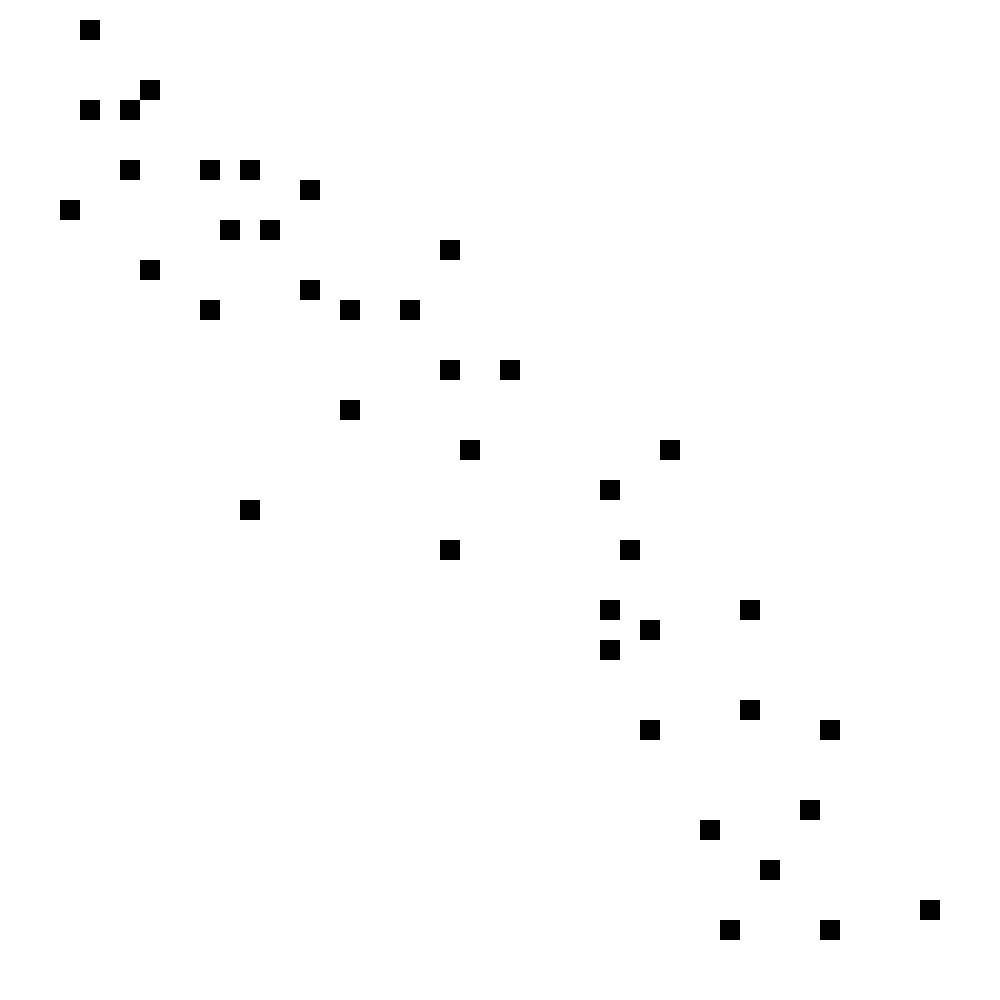
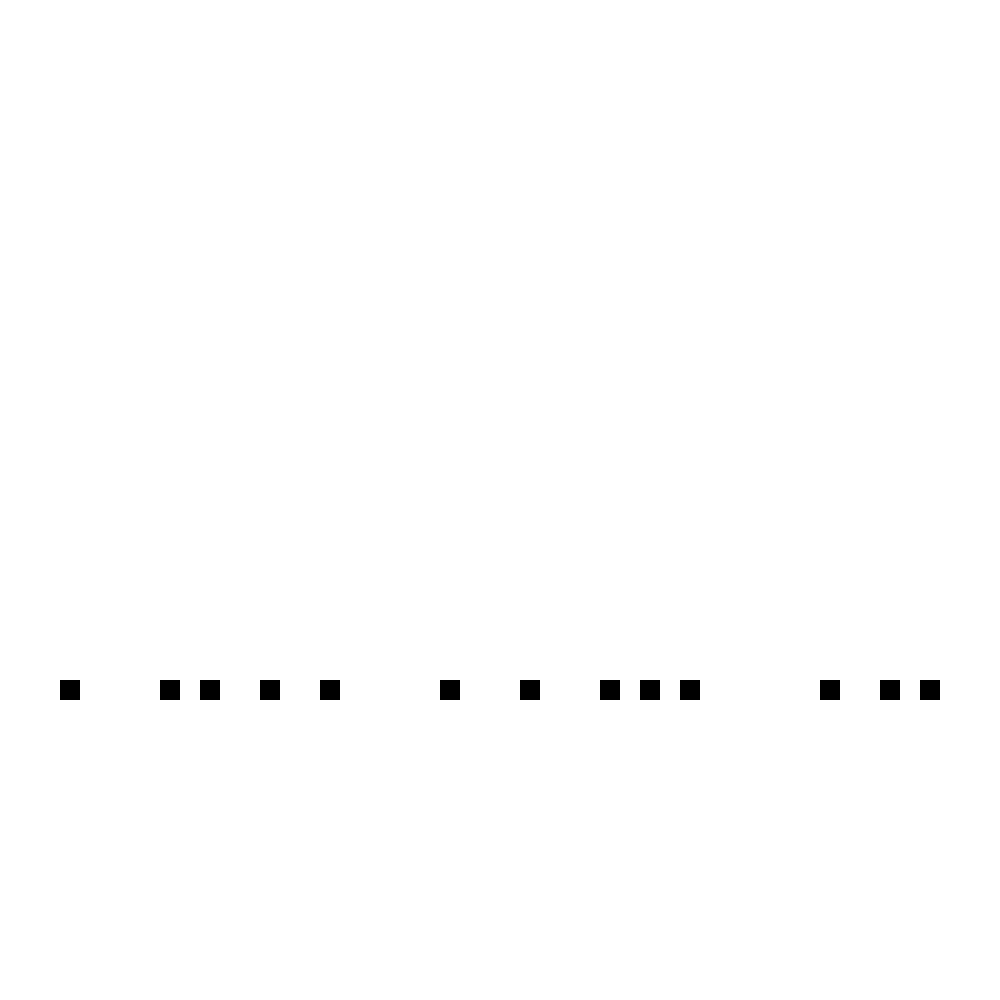
All examples in this Bongard Problem are scatter plots. Each dot represents a data point.
"Positive correlation" means that when the X value increases, the Y value tends to increase as well (in the long run), while "negative correlation" means that when the X value increases, the Y value tends to decrease. |
|
|
CROSSREFS
|
Adjacent-numbered pages:
BP1266 BP1267 BP1268 BP1269 BP1270 * BP1272 BP1273 BP1274 BP1275 BP1276
|
|
|
EXAMPLE
|
Example TM4854 does not fit on either side because when the X value increases, the Y value stays the same.
Example TM4855 does not fit on either side because there is no correlation. |
|
|
KEYWORD
|
fuzzy, minimal, unwordable, teach, spectrum, dual, handed, leftright, updown, rotate, stable, hardsort, left-narrow, right-narrow
|
|
|
AUTHOR
|
Ben
|
| |
|
|
| |
|
| BP1291 |
| Black points are the set of vertices that are some shortest-distance away from some white vertex vs. not so. |
|
| |
|
| |
| |
|
|
| |
|
| BP1293 |
| Line segment separates the dots into two consecutive Fibonacci numbers vs. not so. |
|
| |
|
|
|
|
COMMENTS
|
All examples show a single straight line segment and some dots, with no dot lying on the line. In left examples the line depicts the Fibonacci recurrence: the two groups of dots are consecutive Fibonacci numbers, and their total is the next Fibonacci number. Here 0 counts as a Fibonacci number (0, 1, 1, 2, 3, 5, ...), so a lone dot with the line beside it fits left as the split 0|1. The six original left examples give each of the splits 0|1, 1|1, 1|2, 2|3, 3|5, and 5|8 exactly once, so their totals run through 1, 2, 3, 5, 8, 13. Several right examples are near misses: 2|5 uses two Fibonacci numbers that are not adjacent in the sequence, 3|3 repeats a term instead of pairing neighbors, and 0|3 has a Fibonacci total but the wrong split. A dot lying exactly on the dividing line would be ambiguous, so such dots are excluded. This problem was created by hand as a test for AI models that could not have previously seen it in training; see the reference for details. |
|
|
REFERENCE
|
M. Hodges, Bongard Problems, matthodges.com, 19 Aug 2026. https://matthodges.com/posts/2026-08-19-bongard-problems/ |
|
|
CROSSREFS
|
Compare BP334 (even number of dots vs. odd number of dots) and BP202 (even number of shapes vs. odd number of shapes), other Problems solved by counting rather than by geometry.
Adjacent-numbered pages:
BP1288 BP1289 BP1290 BP1291 BP1292 * BP1294 BP1295 BP1296
|
|
|
EXAMPLE
|
The box with five dots on one side of the line and eight on the other fits on the left because 5 and 8 are consecutive Fibonacci numbers, with 13, their total, the next one. The box with two dots on one side and five on the other fits on the right because 2 and 5, although both Fibonacci numbers, are not consecutive. The box with three dots all on one side fits on the right because its split is 0|3 rather than the 1|2 a Fibonacci total of 3 would need. |
|
|
KEYWORD
|
precise, notso, number, math, left-narrow, traditional
|
|
|
CONCEPT
|
addition (info | search),
number (info | search),
dot (info | search),
sides_of_line (info | search),
sequence (info | search)
|
|
|
AUTHOR
|
Matt Hodges
|
| |
|
|
Welcome |
Solve |
Browse |
Lookup |
Recent |
Links |
Register |
Contact
Contribute |
Keywords |
Concepts |
Worlds |
Ambiguities |
Transformations |
Invalid Problems |
Style Guide |
Goals |
Glossary
|
|
|
|