Search: subworld:dots
|
| |
|
| BP558 |
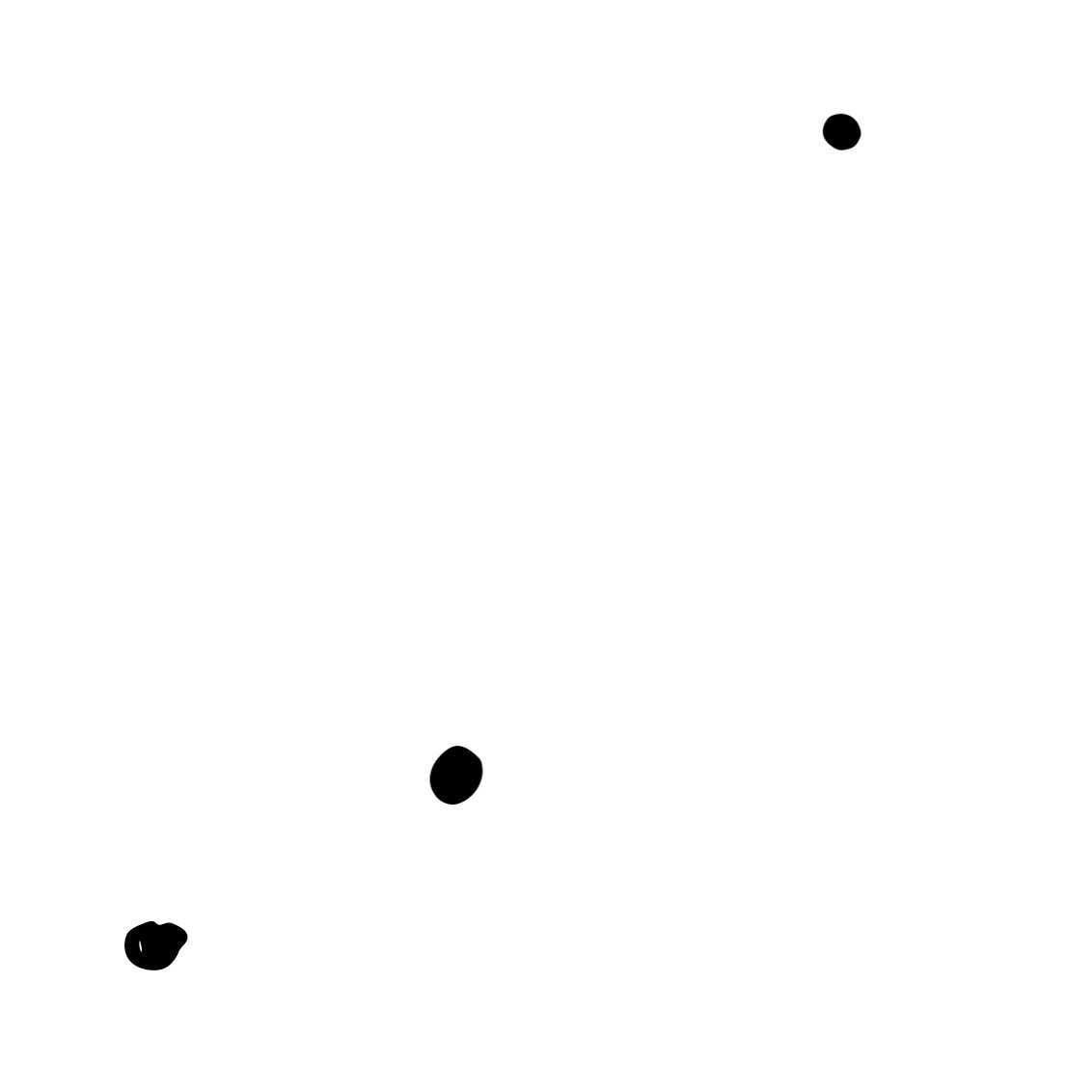
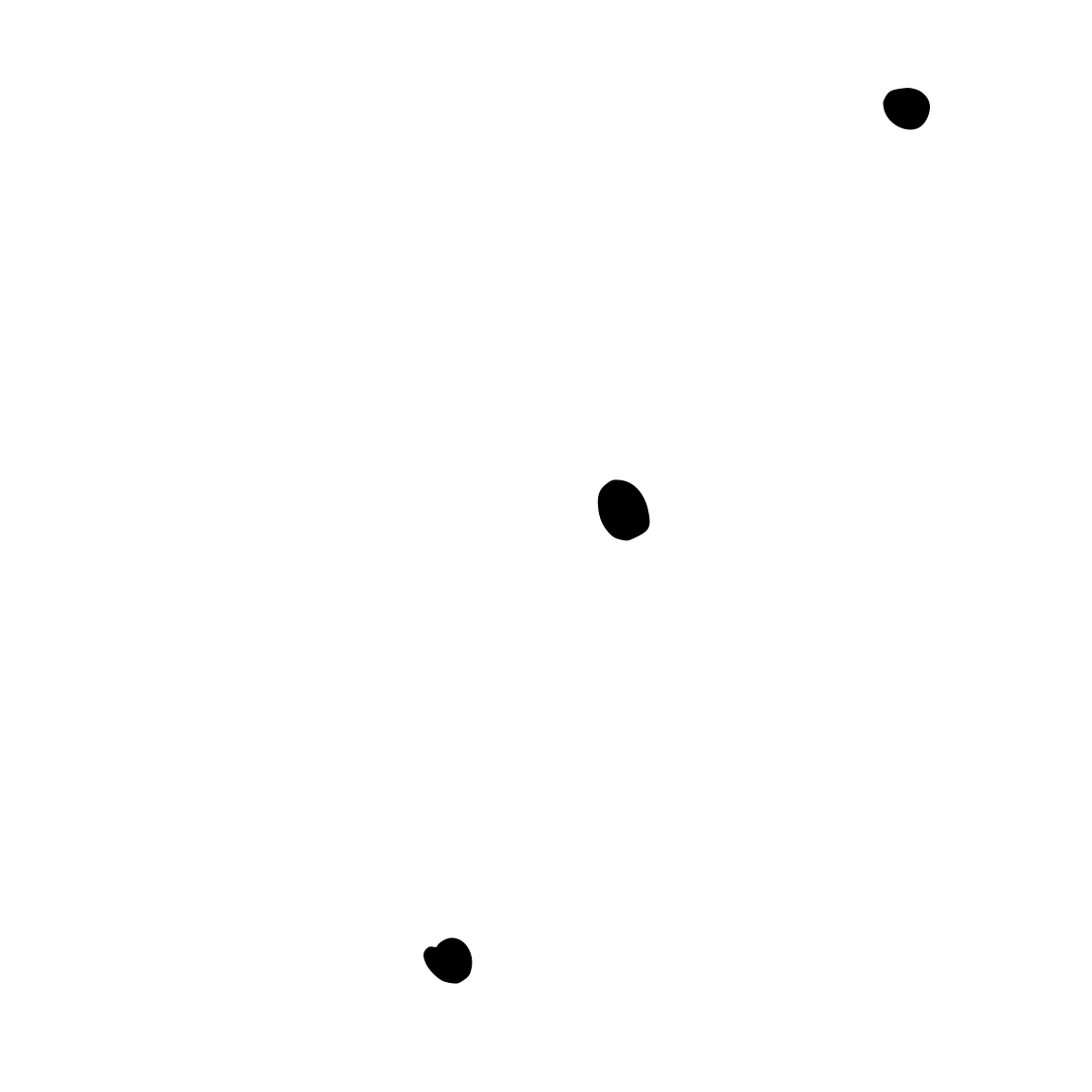
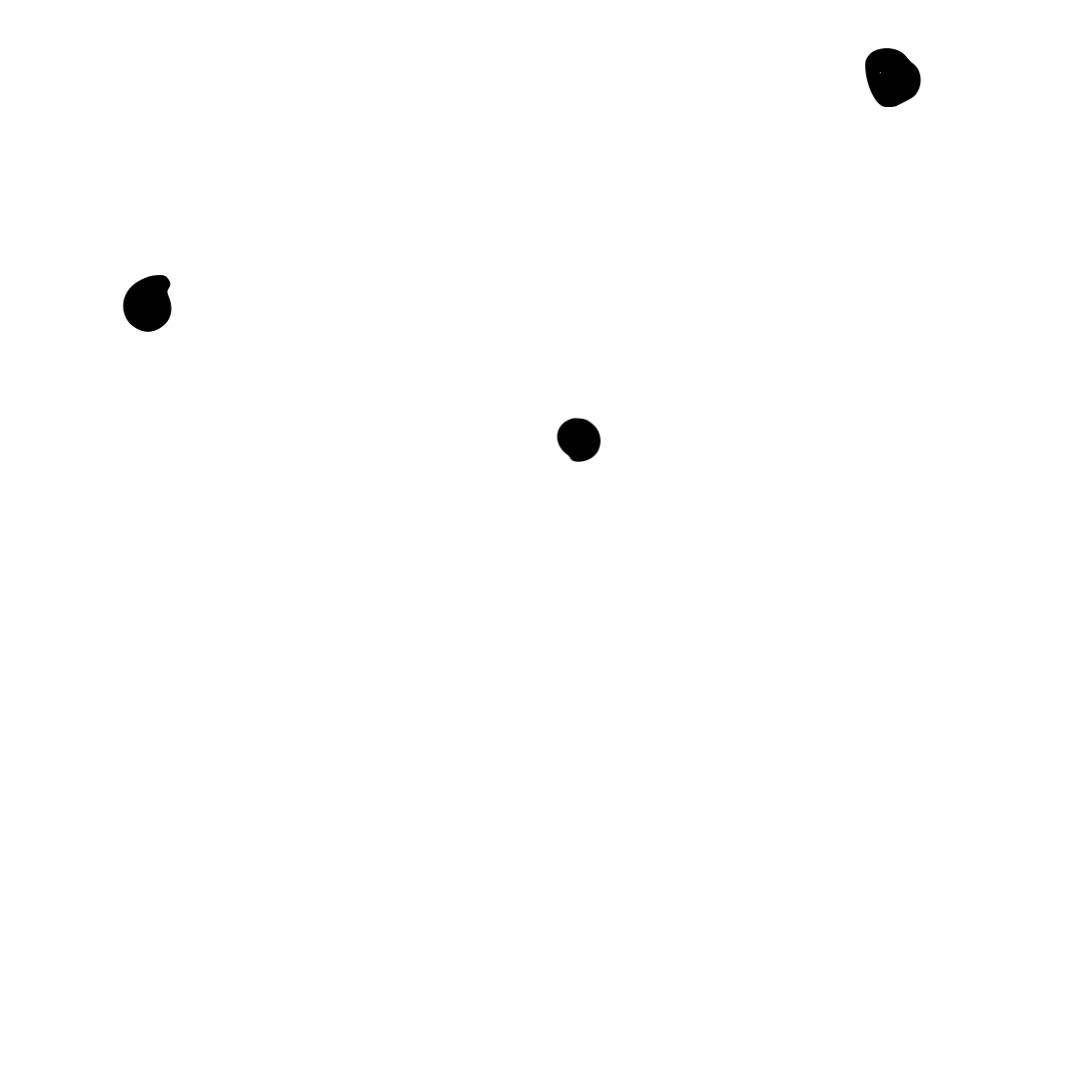
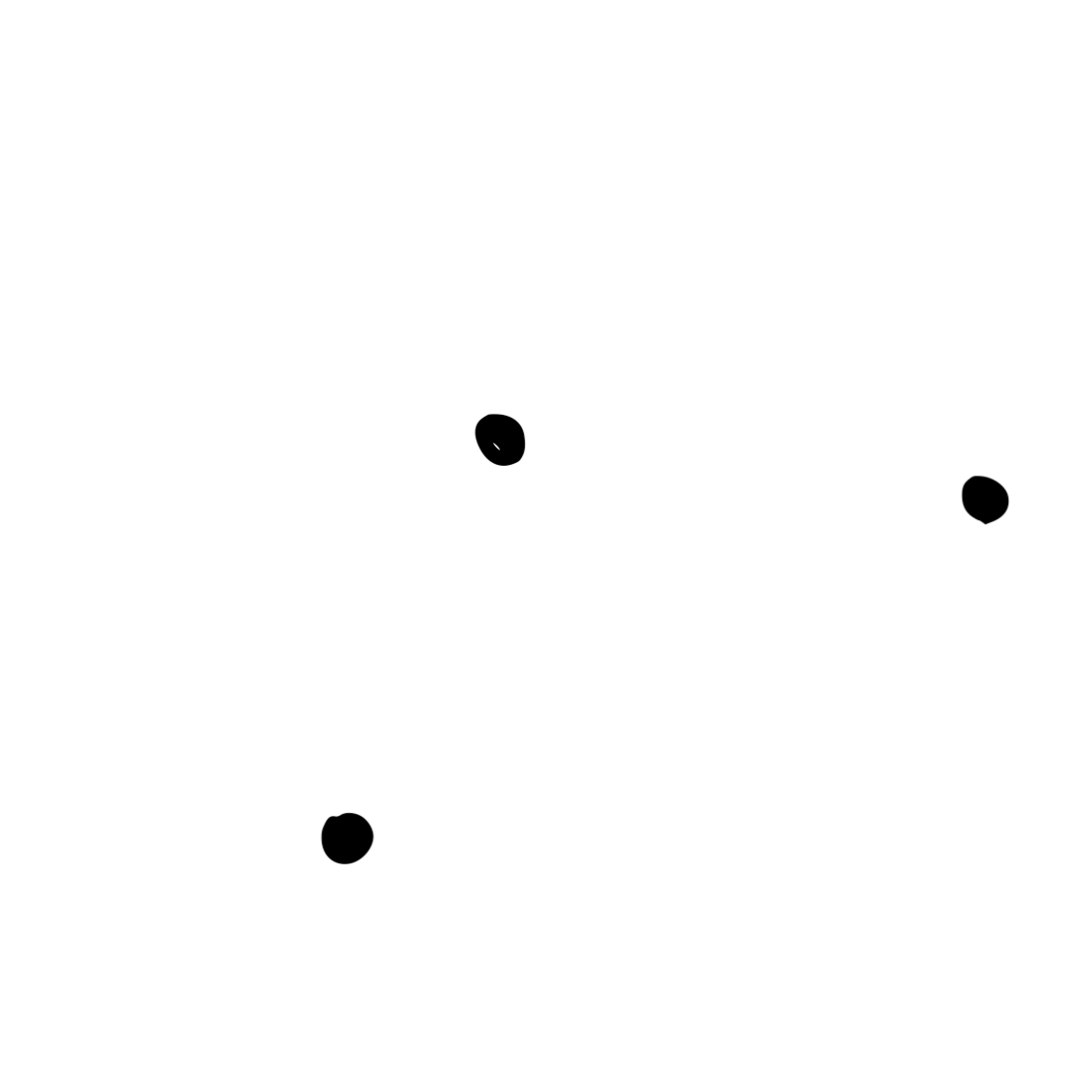
| Point sequence that is increasing or decreasing in height vs. point sequence that alternates in height |
|
| |
|
| |
| |
|
|
| |
|
| BP569 |
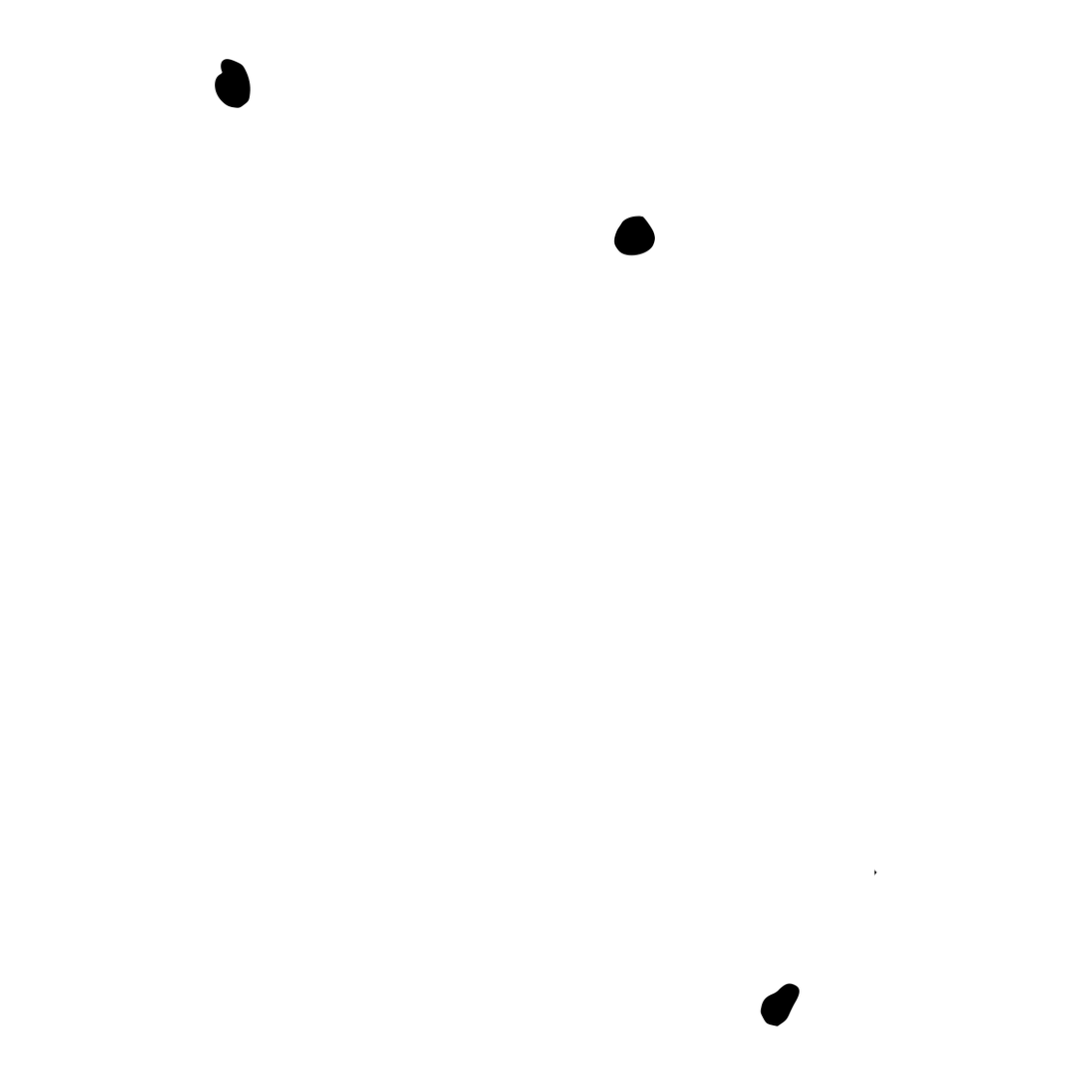
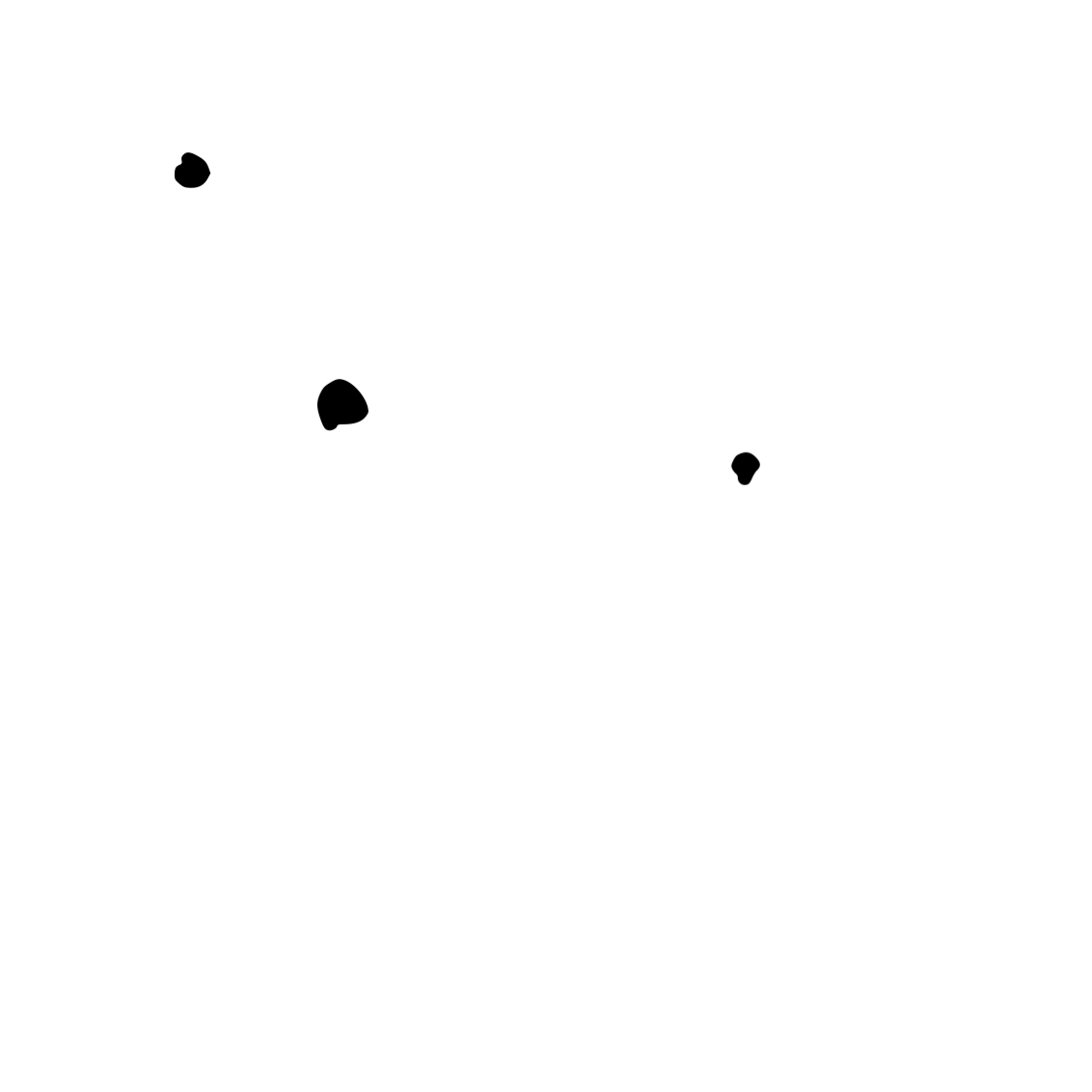
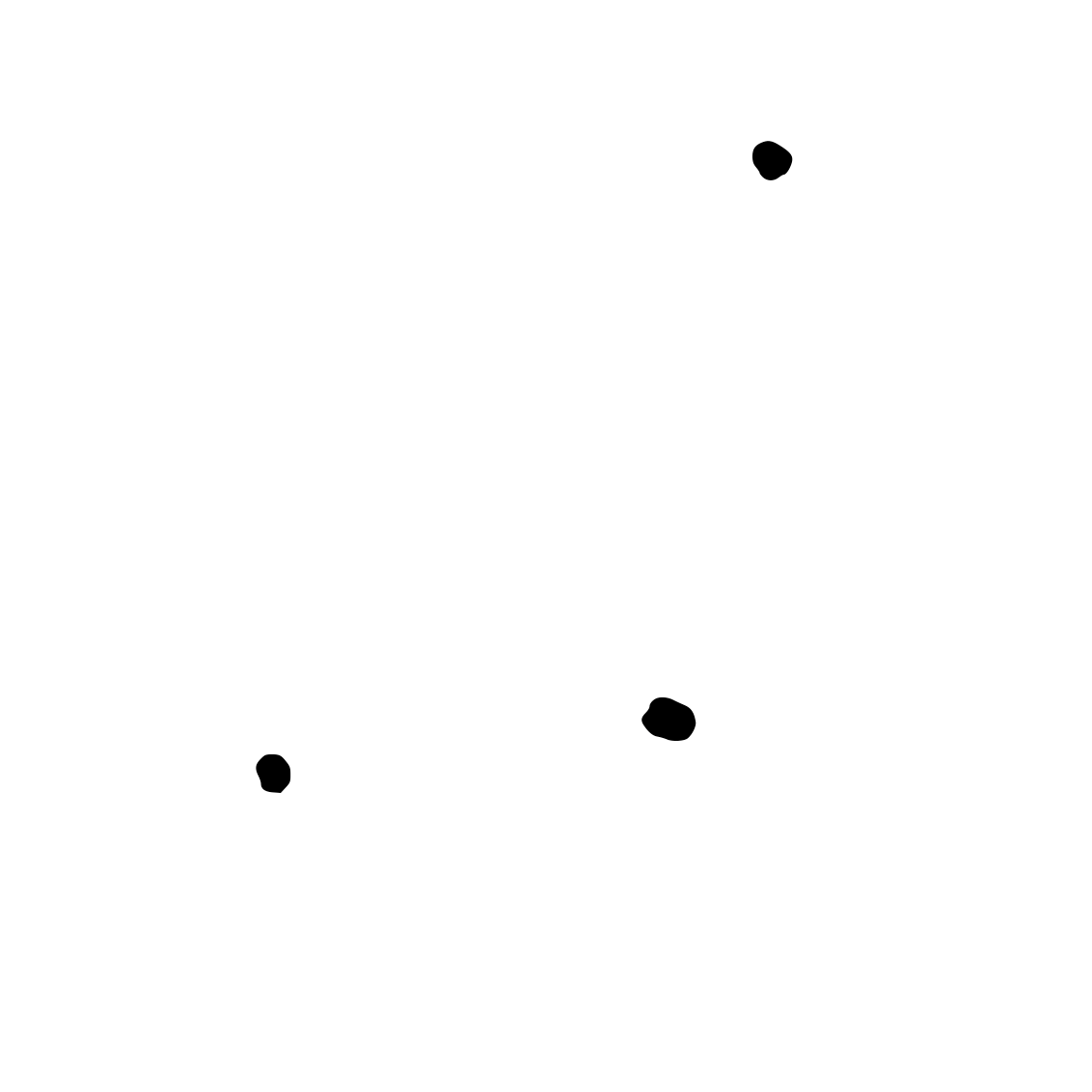
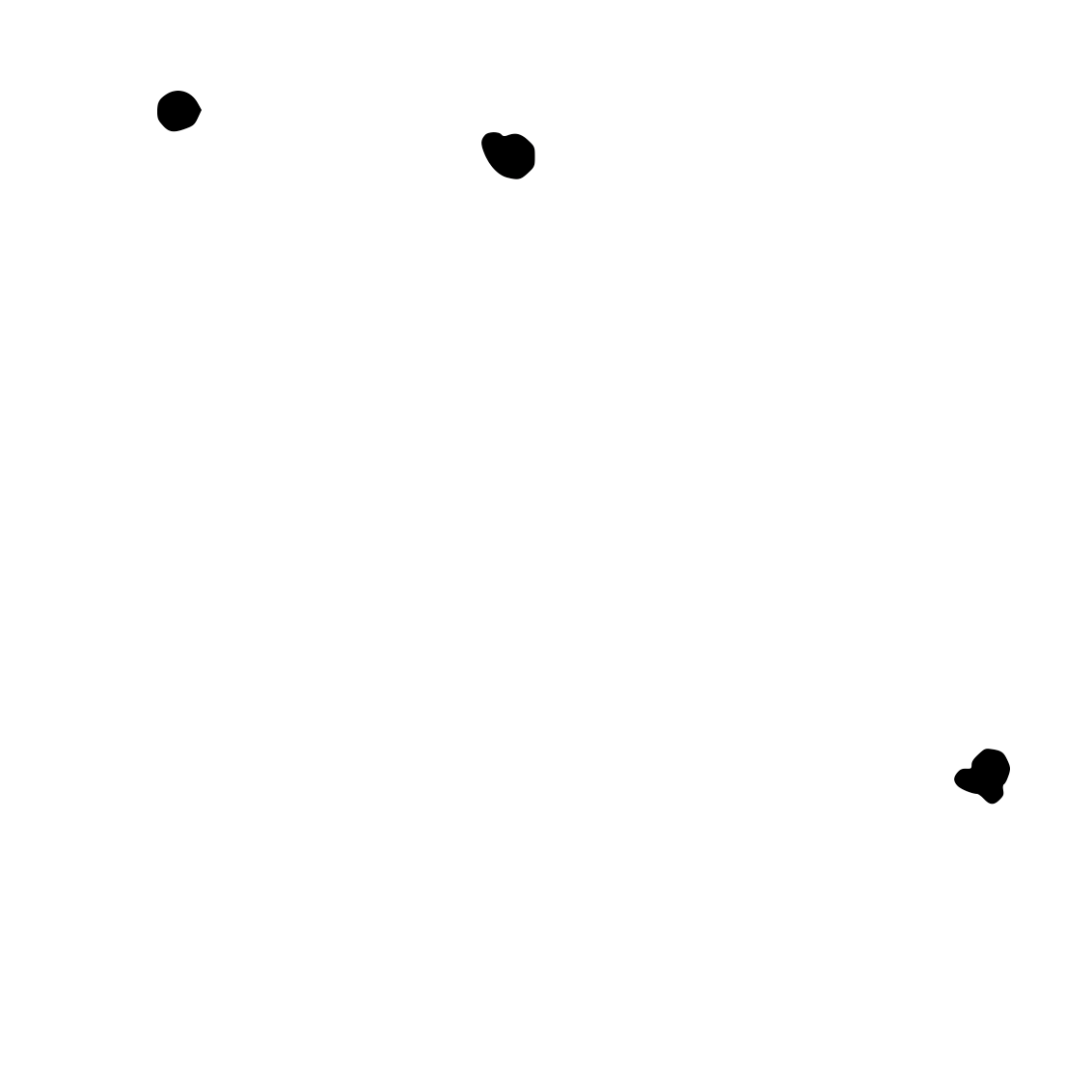
| Triangular number of dots vs. non-triangular number of dots |
|
| |
|
|
|
|
COMMENTS
|
All examples in this Problem are groups of black dots.
The nth triangular number is the sum over the natural numbers from 1 to n, where n > 0. Note: 0 is the 0th triangular number. The first few triangular numbers are 0, 1, 3 (= 1+2) and 6 (= 1+2+3) |
|
|
CROSSREFS
|
Adjacent-numbered pages:
BP564 BP565 BP566 BP567 BP568 * BP570 BP571 BP572 BP573 BP574
|
|
|
KEYWORD
|
nice, precise, allsorted, notso, number, math, left-narrow, left-null, help, preciseworld
|
|
|
WORLD
|
dots [smaller | same | bigger]
|
|
|
AUTHOR
|
Leo Crabbe
|
| |
|
|
| |
|
| BP854 |
| Nothing vs. nothing. |
|
| |
|
| |
| |
|
|
| |
|
| BP891 |
| Dots can be connected to create one triangle within another vs. not so. |
|
| |
|
| |
| |
|
|
| |
|
| BP907 |
| One dot cluster is the product of the other two vs. not so. |
|
| |
|
| |
| |
|
|
| |
|
| BP915 |
| Finite number of dots vs. infinite number of dots. |
|
| |
|
| |
| |
|
|
| |
|
| BP925 |
| The numbers of dots differ by three vs. not so. |
|
| |
|
| |
| |
|
|
| |
|
| BP926 |
| Numbers of dots in ascending order from left to right vs. numbers of dots neither in ascending nor descending order from left to right. |
|
| |
|
| |
| |
| |
|
|
|
|
|
|
|
|